
The price of concrete batching plant is a crucial consideration for contractors, developers, and construction companies, especially in emerging markets where infrastructure development is rapidly growing. Whether you are expanding a construction business in Southeast Asia or starting a new ready-mix concrete operation, understanding the trends and factors affecting the harga concrete batching plant, batching plant price Philippines, and batching plant price in Malaysia is essential for making informed investment decisions.
Rising Demand in Emerging Markets
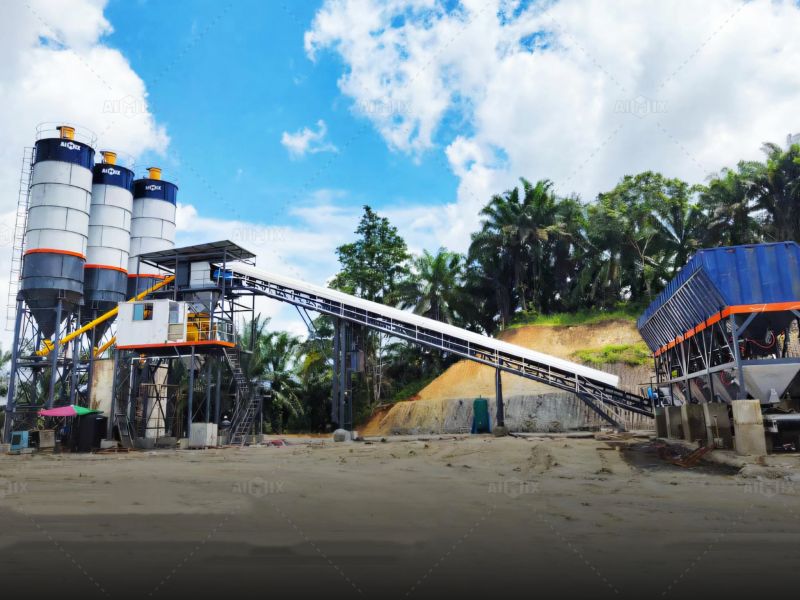
Emerging construction markets are experiencing a surge in infrastructure projects, including highways, bridges, commercial buildings, and residential complexes. Countries like the Philippines and Malaysia are investing heavily in urbanization and industrial growth, which drives demand for high-quality concrete. Consequently, the price of concrete batching plant in these regions has seen an upward trend.
In the Philippines, the batching plant price Philippines varies based on capacity, automation level, and manufacturer. Small-scale mobile plants suitable for local road projects or residential construction are generally more affordable, while large stationary plants designed for industrial-scale production are priced higher due to their advanced features and higher output capacity. Similarly, the batching plant price in Malaysia depends on plant type, brand, and production capacity, with imported plants often costing more than locally manufactured ones.
Factors Affecting Batching Plant Prices
Several factors influence the harga concrete batching plant and its regional variations:
Plant Capacity and Type
The production capacity of a concrete batching plant significantly affects its price. Small-scale plants produce 25–60 cubic meters per hour and are generally priced lower, while large-scale plants can produce over 180 cubic meters per hour, increasing the overall investment. Mobile batching plants are often more cost-effective for projects that require flexibility, whereas stationary plants offer higher long-term efficiency.
Technology and Automation
Advanced control systems and automation increase the price of concrete batching plant. Modern plants come equipped with computerized batching systems, automated material weighing, and integrated monitoring tools to ensure consistent concrete quality. While these features increase initial costs, they often result in higher efficiency, reduced labor costs, and better long-term ROI.
Raw Material and Steel Costs
Fluctuating prices of steel, cement, and other raw materials directly affect harga concrete batching plant. Manufacturers in the Philippines and Malaysia often adjust their pricing based on local material costs and import duties, which means buyers should monitor market trends to identify optimal purchase timing.
Brand and Country of Manufacture
The origin of the plant plays a role in pricing. Many buyers in emerging markets prefer China concrete batching plants due to their competitive pricing and diverse options. A locally produced plant may have a lower batching plant price in Malaysia, but imported plants often provide advanced technology and higher durability.
Transportation and Installation Costs
Shipping large machinery can be expensive, especially for overseas imports. Buyers must factor in transportation, installation, and commissioning costs when comparing the harga concrete batching plant. Mobile plants are easier to transport and often have lower associated logistics costs, making them attractive for regional projects.
Current Pricing Trends in Southeast Asia
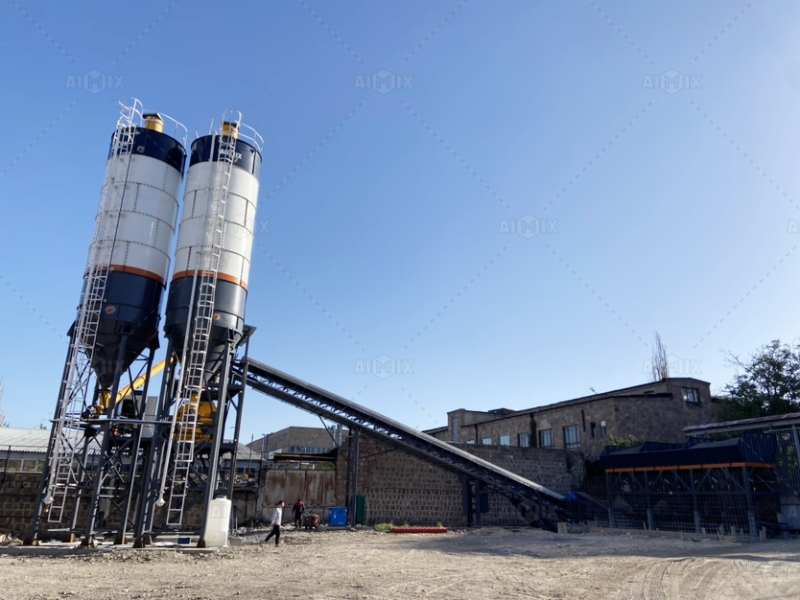
In recent years, the batching plant price Philippines has been influenced by government infrastructure initiatives, urban expansion, and private sector projects. Small mobile plants start at around $30,000–$50,000, while large stationary plants may range from $120,000 to $250,000 depending on capacity and automation.
In Malaysia, the batching plant price in Malaysia follows a similar pattern. High-capacity wet mix and dry mix plants are popular for industrial projects, and their prices range from $80,000 for compact units to over $200,000 for advanced stationary plants. Mobile batching plants are increasingly preferred in remote project sites, offering flexible deployment without compromising concrete quality.
Tips for Buyers in Emerging Markets
Assess Project Requirements
Before deciding on a plant, consider your production needs, project scale, and site conditions. A mobile batching plant may be ideal for scattered construction sites, while a stationary plant may suit high-volume urban projects.
Compare Suppliers
Evaluate multiple suppliers for pricing, warranty, and after-sales support. Many China concrete batching plants offer competitive harga concrete batching plant with reliable service networks in Southeast Asia.
Consider Long-Term ROI
While initial cost is important, consider operational efficiency, maintenance, and energy consumption. A plant with advanced automation may have a higher upfront price but lower long-term costs.
Check Local Regulations
Ensure the plant meets environmental and safety standards in your country. Compliance can prevent fines and reduce operational risks, particularly for large urban projects.
Conclusion
Understanding the price of concrete batching plant in emerging markets is essential for making smart investment decisions. The harga concrete batching plant, batching plant price Philippines, and batching plant price in Malaysia are influenced by factors such as capacity, technology, raw material costs, and supplier location. By carefully evaluating these factors, construction companies can select a plant that balances cost, quality, and operational efficiency, supporting growth in fast-developing markets.
Investing in the right concrete batching plant not only ensures reliable concrete supply but also strengthens your position in the competitive construction landscape of Southeast Asia.