
Installing overhead cranes in an existing steel structure workshop is a complex but highly rewarding process. Overhead cranes, including single and double girder types, are indispensable in modern industrial facilities, enabling the safe and efficient handling of heavy materials. When retrofitting or upgrading a workshop with these cranes, careful planning, precise execution, and consideration of structural limitations are critical to ensure optimal performance, safety, and longevity. This article provides an in-depth guide to installing single and double girder cranes in existing steel structure workshops, covering planning, structural evaluation, equipment selection, installation procedures, and safety considerations.
Understanding Single and Double Girder Cranes
Before discussing installation, it is essential to understand the two primary types of overhead cranes commonly used in steel structure workshops:
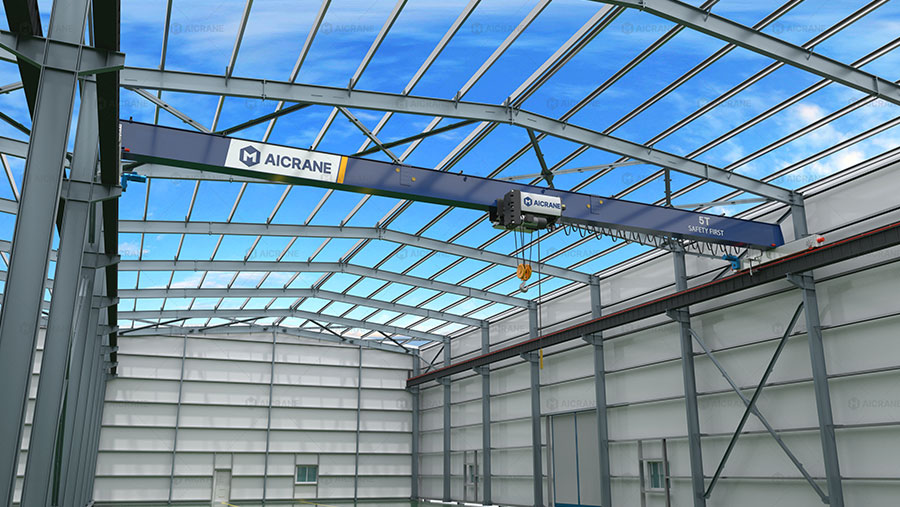
Single Girder Cranes: These cranes consist of a single girder that spans the width of the workshop. The trolley and hoist move along the girder, lifting and transporting materials. Single girder overhead cranes are generally lighter, more economical, and suitable for medium-duty applications. They are ideal for workshops with lower lifting capacities and moderate spans.
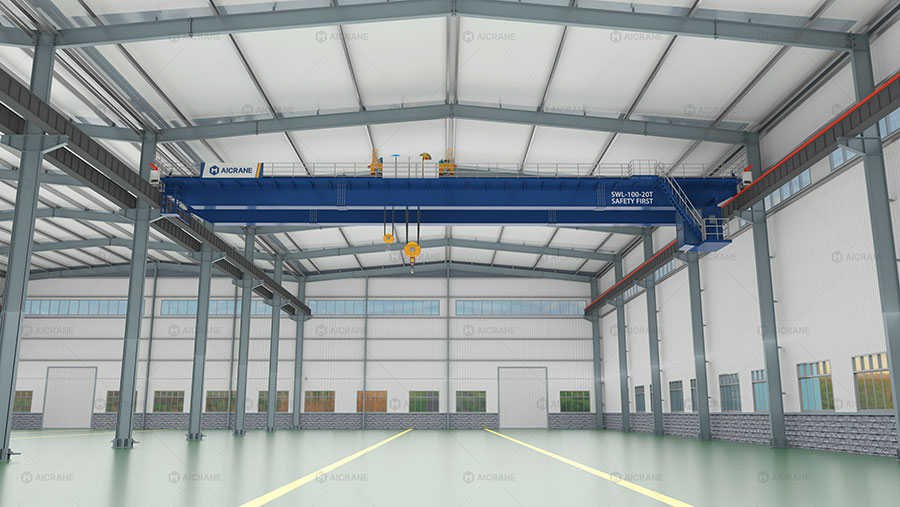
Double Girder Cranes: Double girder cranes have two parallel girders, providing increased stability and higher load capacity. The hoist may either run on the lower or upper flange of the girders. Double girder cranes are suitable for heavy-duty applications, large spans, and workshops handling substantial loads. They offer greater durability and longer service life compared to single girder cranes but require stronger structural support.
Preliminary Planning
Installing cranes in an existing workshop begins with thorough planning. The following steps should be considered:
-
Load Requirements: Determine the maximum lifting capacity, frequency of use, and type of loads to be handled. This information influences whether a single or double girder crane is appropriate and informs the choice of hoist type and trolley configuration.
-
Workshop Layout: Measure the workshop’s dimensions, including span width, height, and clearances. Note any obstructions such as columns, machinery, or HVAC systems that could interfere with crane movement.
-
Structural Assessment: Evaluate the existing steel structure to ensure it can safely bear the additional load. Factors include the strength of roof beams, columns, foundations, and connections. Double girder cranes often require significant reinforcement due to higher loads.
-
Crane Path Planning: Plan the travel route of the crane, ensuring smooth operation from one end of the workshop to the other. Consider end stops, buffer zones, and potential intersections with other equipment.
-
Regulatory Compliance: Ensure compliance with local safety standards and industrial regulations, including load ratings, electrical requirements, and operator safety protocols.
Structural Evaluation
One of the most critical aspects of retrofitting cranes in an existing workshop is evaluating the structural capacity:
-
Column and Beam Strength: Existing columns and roof beams must be analyzed for load-bearing capacity. Single girder cranes impose less load than double girder cranes, but both require careful calculation of bending moments and deflection limits.
-
Foundation Integrity: Check whether the existing foundation can support the crane’s dynamic loads, including acceleration, deceleration, and potential impact forces. Reinforcement or additional foundation pads may be necessary.
-
Steel Reinforcement: For double girder cranes, it may be necessary to add extra steel supports, cross bracing, or reinforced end carriages to accommodate heavier loads. Structural engineers often provide detailed reinforcement designs tailored to the workshop layout.
-
Deflection Control: Ensure that the existing structure can limit beam deflection to acceptable levels. Excessive deflection can lead to misalignment, increased wear, and unsafe operation.
Selecting the Right Equipment
Proper equipment selection is essential for efficient installation and long-term performance:
-
Hoist Type: Electric wire rope hoists are ideal for heavy loads and high lifting heights, while chain hoists suit lighter applications. The hoist must match the lifting capacity and frequency requirements.
-
Trolley and Drive System: Choose a trolley that ensures smooth horizontal movement along the girder. Motorized trolleys are preferred for high-duty operations, while manual trolleys may suffice for smaller loads.
-
End Trucks and Wheels: For double girder cranes, the end trucks must be designed to distribute weight evenly across runway rails. High-quality wheels and bearings reduce friction and prolong the crane’s service life.
-
Control System: Modern cranes feature advanced control systems, including remote operation, variable frequency drives, and safety interlocks. Selecting the right control system enhances precision, reduces operator fatigue, and improves safety.
Installation Procedures
Installing overhead cranes in an existing steel structure workshop requires careful sequencing to avoid damage and ensure safety:
1. Preparing the Workshop
-
Clear the area of obstructions, machinery, and debris.
-
Inspect runway rails, columns, and support beams for alignment, straightness, and integrity.
-
Mark crane path and reference points for accurate installation.
2. Installing Runway Rails
-
Install or adjust runway rails along the existing beams. Rails must be level and aligned with minimal deviation.
-
Use precision measuring tools to verify alignment and slope.
-
Secure rails to steel columns or beam flanges using high-strength bolts and brackets.
3. Assembling the Crane Bridge
-
For single girder cranes, assemble the girder and attach the trolley and hoist components.
-
For double girder cranes, assemble both girders, end trucks, and cross bracing. Attach the hoist to the girders according to manufacturer specifications.
4. Lifting and Mounting
-
Use temporary lifting equipment, such as mobile cranes or hydraulic jacks, to lift the crane bridge into position.
-
Carefully align the end trucks with runway rails and secure them.
-
Verify clearance between hoist, trolley, and structure to avoid collisions.
5. Electrical Installation
-
Install power supply systems, including conductors, cable reels, or festoon systems.
-
Connect control panels, limit switches, and safety interlocks.
-
Conduct insulation resistance tests, continuity checks, and verify grounding.
6. Testing and Adjustment
-
Perform no-load tests to ensure smooth travel of the trolley and hoist along the crane bridge.
-
Check alignment, wheel pressure, and load distribution.
-
Conduct load testing at 100% and 125% of rated capacity under supervision to verify structural integrity and crane performance.
-
Make adjustments to ensure precise operation and compliance with safety standards.
Safety Considerations
Safety is paramount during installation and operation:
-
Personnel Protection: Operators and installers must wear appropriate personal protective equipment (PPE), including helmets, harnesses, and gloves.
-
Structural Monitoring: During test lifts, monitor beam deflection, vibration, and any abnormal movement.
-
Emergency Protocols: Ensure emergency stop systems and safety interlocks are fully functional.
-
Maintenance Planning: Implement a maintenance schedule including lubrication, inspection, and replacement of worn parts to prevent future accidents.
Advantages of Retrofitting Cranes in Existing Workshops
Installing single and double girder cranes in existing steel structure workshops provides several benefits:
-
Enhanced Material Handling Efficiency: Cranes reduce manual labor and transport time, enabling faster production cycles.
-
Improved Safety: Overhead cranes reduce the risk of injuries from manual lifting or forklift operations.
-
Optimized Space Utilization: Cranes operate above the floor, freeing valuable workshop space for machinery, storage, or personnel movement.
-
Flexibility: With modular crane designs, workshops can adjust lifting capacities or spans based on evolving operational requirements.
-
Cost Savings: Retrofitting an existing structure is often more economical than constructing a new workshop with integrated crane systems.
Conclusion
Installing single and double girder cranes in existing steel structure workshops requires careful planning, precise engineering, and strict adherence to safety standards. From evaluating the structural capacity and selecting the appropriate equipment to performing accurate installation and rigorous testing, each step contributes to a reliable and efficient lifting system. Properly executed crane installations not only improve material handling efficiency and worker safety but also enhance the overall operational flexibility of the workshop. Whether upgrading an aging facility or expanding production capabilities, single and double girder cranes remain a cornerstone of modern industrial operations, providing long-term value and supporting diverse manufacturing applications.